Lecturers' strike ends: what the KSh20 billion deal means for students and universities
Public universities reopen on 2 November after a month-long strike. Here is what lecturers asked for, what they got, and what students should watch next.
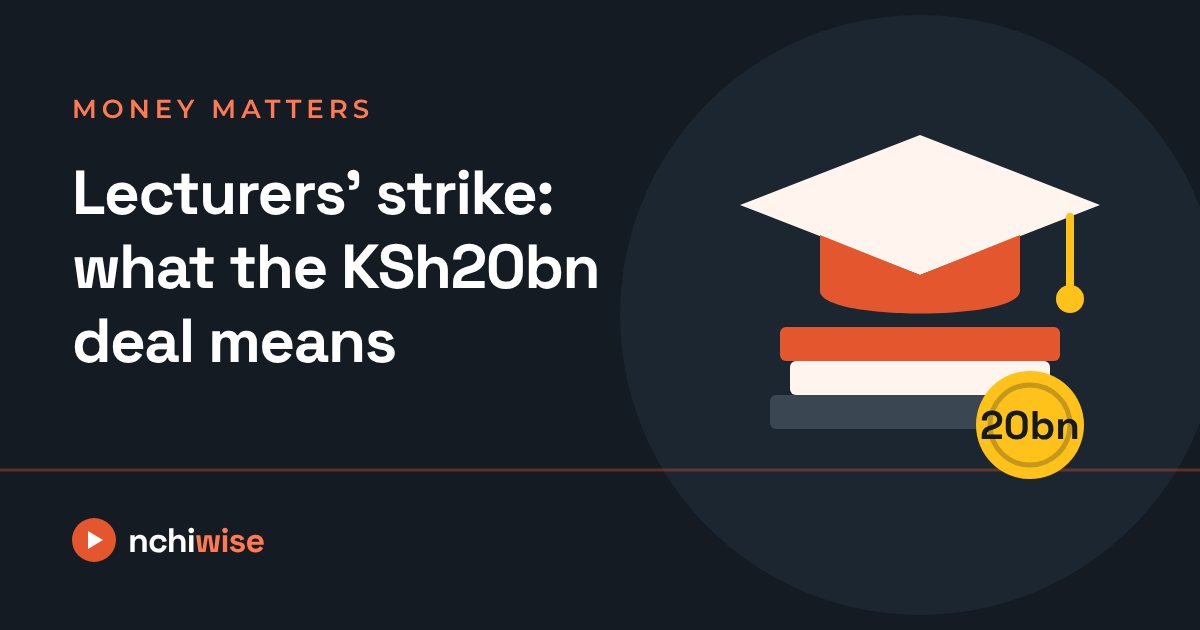
After four weeks with lecture halls closed, Kenya's public universities are due to reopen on Monday, 2 November 2026. The lecturers' union and the government reached a deal worth about KSh20 billion. Here is what happened, in plain language.
What happened
- The strike. Lecturers in public universities, represented by the Universities Academic Staff Union (UASU), stopped teaching at the start of October. Students had been at home since 2 October.
- The deal. On Wednesday, 28 October, UASU Secretary General Constantine Wasonga announced a verbal agreement with the government worth KSh20 billion. It was due to be signed on Friday, 30 October, after technical teams put it "on pen and paper".
- The return. Classes resume on 2 November.
The numbers at a glance
| Item | Amount |
|---|---|
| What the union asked for | KSh98 billion |
| The government's first offer (rejected) | KSh11.96 billion |
| The agreed deal | About KSh20 billion |
| Older arrears the union also wanted paid | About KSh7.9 billion |
So lecturers got roughly a fifth of what they asked for, and about 67% more than the first offer.
What is a CBA, and why does it matter?
A collective bargaining agreement (CBA) is a contract between a union and employers that sets pay, allowances and working conditions for a period of years. This deal covers basic salaries and allowances under the 2025–2029 CBA.
That CBA had been delayed for nearly a year. Earlier promises to finish negotiations by the end of 2025 were not met, which is a big part of why lecturers walked out. When a CBA runs late, workers keep earning old rates while living costs rise. Kenya's inflation was 7.3% in October (see our inflation explainer).
What it means for students
- Check your university's revised calendar. Four lost weeks usually mean a shorter break, compressed teaching or exams moved. Each university announces its own timetable.
- Watch fee and accommodation deadlines. If dates move, ask your university whether hostel and fee deadlines move too.
- Finalists and graduation. Final-year students should confirm whether exams and graduation dates have changed.
What to watch next
- Signing and payment. A verbal deal only matters once it is signed and the money is paid. Delayed payment is what triggered past strikes.
- The old arrears. Reports have focused on the KSh20 billion for the new CBA. Watch whether the older arrears are also settled, and when.
- The 2027 budget. Lecturers and commentators have contrasted delays in education funding with spending ahead of the 2027 election. How the money is found will be part of the debate.
We will update this page once the signed agreement is published.