Kenya's debt passes KSh13 trillion: what it means, and what the Controller of Budget wants done
Public debt hit KSh13.01 trillion by June 2026, about 68.5% of the economy and well above the legal anchor of 55%. Repaying it cost KSh1.77 trillion in a year. Here is where the debt comes from, why it matters to your pocket, and what the budget watchdog recommends.
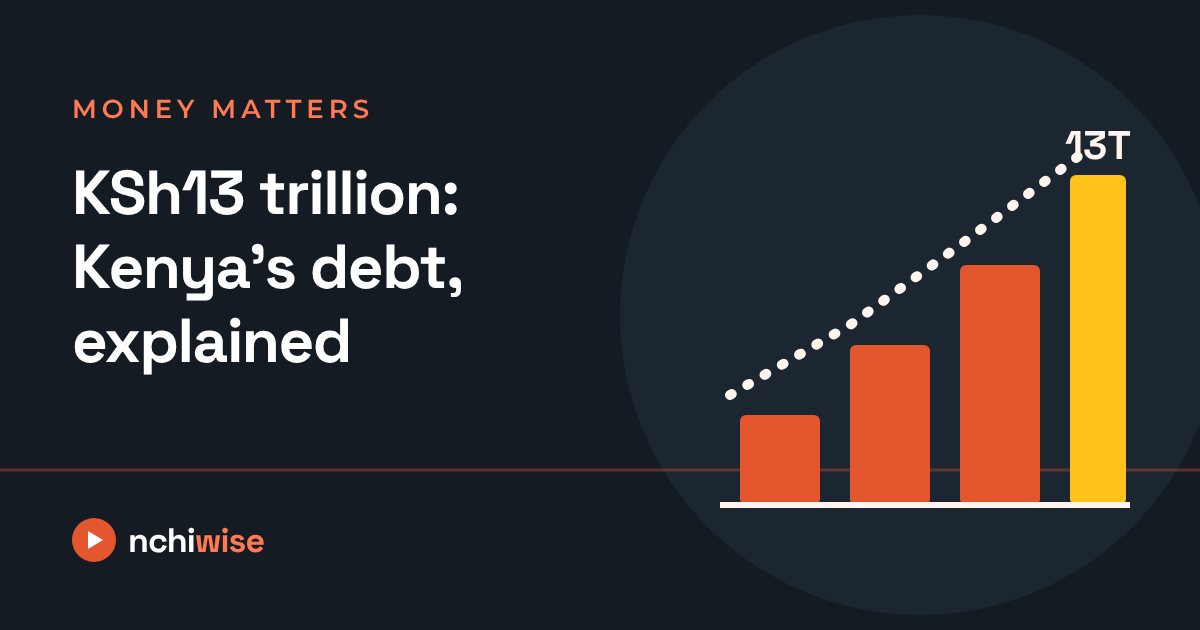
Kenya's public debt reached KSh13.01 trillion on 30 June 2026, according to the Controller of Budget's full-year review of the 2025/26 budget. A year earlier it was KSh11.80 trillion, so it grew by about KSh1.2 trillion in twelve months.
The numbers at a glance
| Measure | Figure |
|---|---|
| Total public debt (30 June 2026) | KSh13.01 trillion |
| A year earlier (30 June 2025) | KSh11.80 trillion |
| Debt as a share of GDP | 68.5% |
| Legal anchor (Public Finance Management Act) | 55% of GDP |
| Owed to lenders in Kenya (domestic) | KSh7.32 trillion (56%) |
| Owed abroad (external) | KSh5.68 trillion (44%) |
| Spent on debt in 2025/26 (repayments and interest) | KSh1.77 trillion |
| Of which, interest on domestic debt | KSh759.2 billion |
What "68.5% of GDP" means
GDP is the value of everything Kenya produces in a year. A debt of 68.5% of GDP means the government owes about two-thirds of a year's national output. The law sets an anchor of 55%, measured in "present value" terms, which counts cheap long-term loans as smaller. The Controller notes that the present-value figure needed to test the 55% rule has not been published.
Why it matters to you
- Less money for services. Every shilling spent on debt is a shilling not spent on hospitals, schools, roads or paying lecturers on time. See the lecturers' strike.
- Pressure for more taxes. To keep paying, the government looks for more revenue, which is why every Finance Bill is so contested. See our Finance Bill explainer.
- Higher interest rates. When the government borrows heavily from local banks, it competes with businesses and households for credit, which can make loans more expensive.
- Exchange-rate risk. Nearly half the debt is owed abroad, often in US dollars. If the shilling weakens, that debt becomes more expensive to repay.
Refinancing old Eurobonds
The government issued new Eurobonds, international bonds sold in US dollars, at a blended yield of about 8.7%, and used part of the money to buy back three older bonds before they fell due. This spreads repayments out, but the Controller wants Treasury to show that the buybacks actually save money.
What the Controller of Budget recommends
- adopt a formal debt-reduction strategy;
- narrow the budget deficit, the gap between spending and revenue;
- match new borrowing to a clear path for bringing debt down;
- raise more domestic revenue; and
- show that Eurobond buybacks are cost-effective.
What to watch
- Treasury's response to the report, and the next Budget Policy Statement.
- Whether the present-value debt figure is published, so the 55% rule can be checked.
- How much of the 2026/27 budget goes to debt, compared with development spending.
Related: inflation and your cost of living.