Fuel prices in Kenya: why petrol hit KSh226.96 in Nairobi, and what happens on 14 November
Petrol, diesel and kerosene all went up on 15 October, with kerosene jumping KSh28.49 a litre. Here are the current pump prices, why they rose, how the 8% VAT cut fits in, and what to expect at the next review.
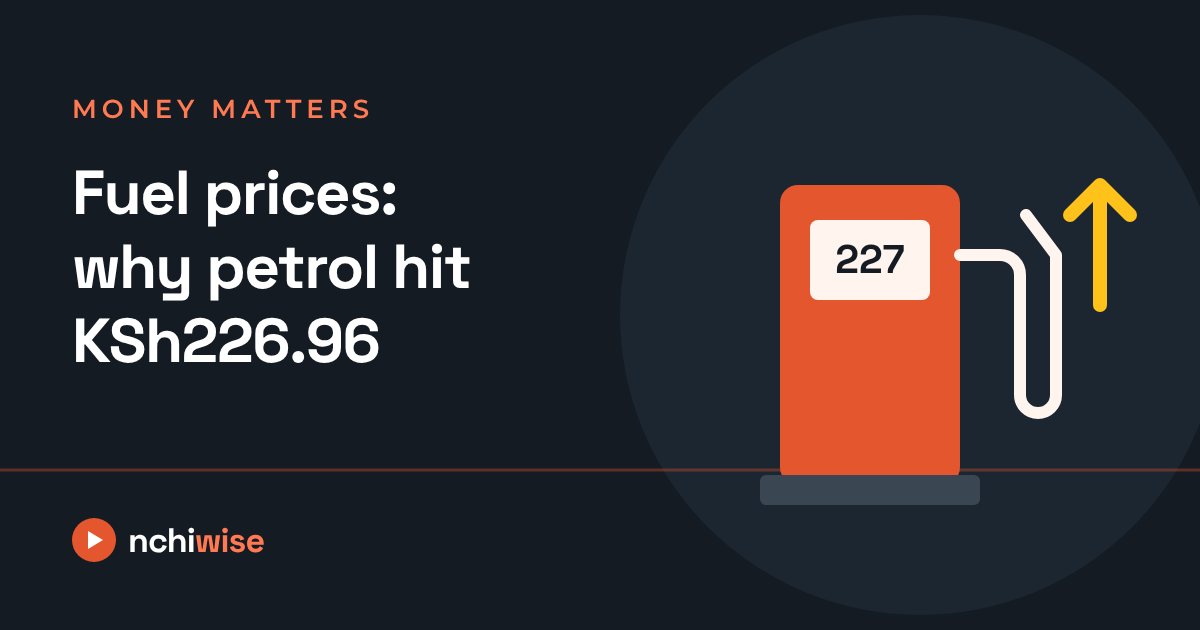
The Energy and Petroleum Regulatory Authority (EPRA) raised the maximum pump prices for all three main fuels from 15 October to 14 November 2026. Petrol in Nairobi is now above its May 2026 peak.
Nairobi pump prices now
| Fuel (per litre) | Until 14 Oct | From 15 Oct | Change | Mombasa |
|---|---|---|---|---|
| Super petrol | KSh214.03 | KSh226.96 | +12.93 | KSh223.81 |
| Diesel | KSh217.86 | KSh227.76 | +9.90 | KSh224.61 |
| Kerosene | KSh191.38 | KSh219.87 | +28.49 | KSh216.71 |
These are maximum prices: stations can charge less, but not more. Prices in other towns differ slightly because of transport costs from Mombasa.
What it costs you
- A 50-litre tank of petrol in Nairobi now costs about KSh11,348, up from KSh10,702.
- Driving 100km in a car that does 10km per litre now costs about KSh2,270 in petrol, up from KSh2,140.
- Diesel moves goods and powers matatus, so its rise feeds into fares and food prices. Kerosene is a cooking fuel for many low-income households, which makes its big jump hit hardest.
Why prices went up
- Import costs. Kenya imports all its fuel already refined. The average landed cost at Mombasa rose 11.8% for petrol, 11.3% for diesel and 9.4% for kerosene.
- Global prices. International petrol prices in September hit a 12-month high, about 16.6% above August. EPRA's Director General, Edward Kinyua, said September was the worst month for import costs since the war in the Middle East began. See our explainer on the conflicts.
- Not the shilling. The exchange rate barely moved (about KSh129.7–129.9 to the dollar), so the rise came from dollar fuel prices, not a weaker shilling.
- Closing the kerosene gap. EPRA raised kerosene more than costs alone would suggest. When kerosene is much cheaper than diesel, some sellers mix it into diesel. The Nairobi gap between the two fell from KSh26.48 to KSh7.89.
What to expect on 14 November
EPRA announces the next prices by 14 November. Because global petrol prices rose faster in September than EPRA's monthly average captured, analysts expect petrol is more likely to rise than fall, unless world prices drop first. Higher fuel prices also push up inflation: see what 7.3% inflation costs you.