HELB funding bands explained: why some students get more, and how to appeal
Under the student-centred funding model, every university and TVET applicant is placed in one of five bands that decide their scholarship, loan and family share. Here is how bands are assigned, what can go wrong, and how to appeal.
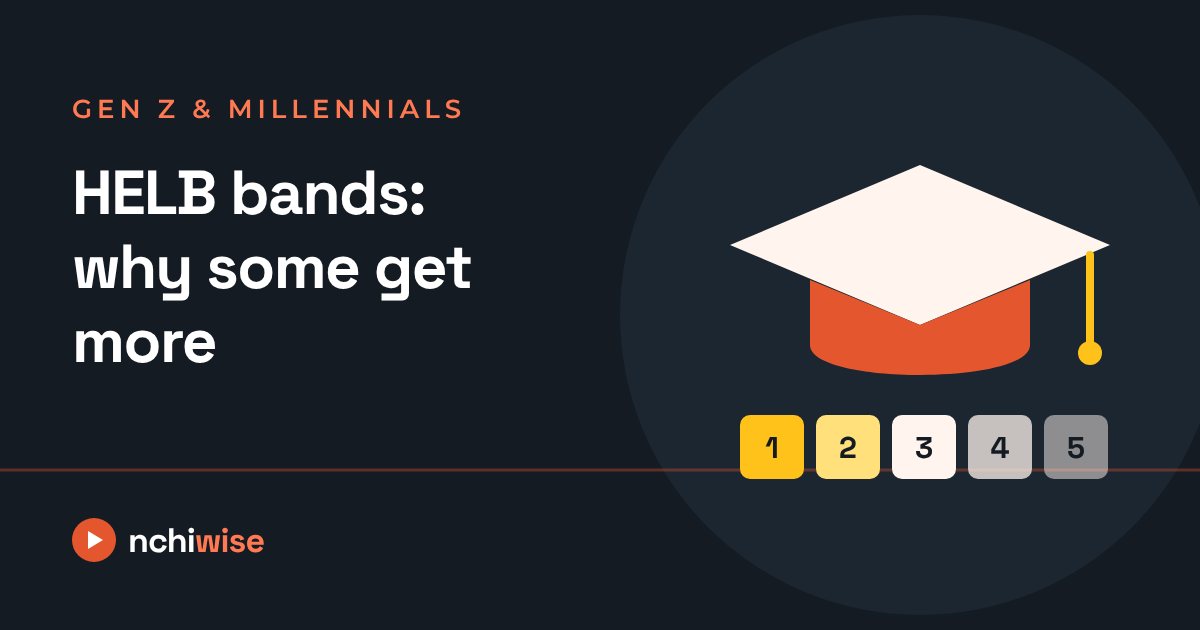
For first-year university and TVET students, the most important number is often not the course fee but their funding band. Under the Student-Centred Funding Model (SCFM), applicants are placed in one of five bands that decide how much comes as a government scholarship, how much as a HELB loan, and how much the family pays.
The five bands
| Band | Who it is for | What it means |
|---|---|---|
| Band 1 | Most vulnerable households | Tuition largely covered by scholarship plus loan; family pays about 5% of fees; highest upkeep, about KSh60,000 a year |
| Band 2 | Substantial need | Family pays a slightly larger share; upkeep slightly lower |
| Band 3 | Moderate need | Equal mix of scholarship and loan; bigger family share |
| Band 4 | Lower need | Smaller scholarship; much higher family contribution |
| Band 5 | Least need | Family pays nearly 40% of tuition; smallest upkeep |
How your band is decided
A computer model called the Means Testing Instrument (MTI) estimates your household's financial strength using:
- household income and the number of dependants;
- the schools you attended (private schools can count against you; public, sub-county or sponsored schools in your favour);
- where you live, using poverty data, with arid and semi-arid areas weighted for need.
Verified orphans, registered persons with disabilities and Inua Jamii beneficiaries can be placed directly in Band 1 once documents are confirmed.
Why students get the wrong band
- Missing documents, such as a parent's death certificate.
- Blank sections or inconsistent income figures.
- A SIM card registered in a parent's name with heavy M-Pesa use, which can make a family look richer than it is.
How to appeal
- Log in to the Higher Education Financing (HEF) portal and choose the appeal option.
- Attach evidence: a letter from your chief, fee statements for siblings in school, and sworn affidavits explaining informal income.
- Keep copies of everything and follow up before fee deadlines.
For 2026/27, first-time applications closed on 8 September 2026. Related: the lecturers' strike and university reopening.