Kenya plans to adopt UN vehicle standards: what it could mean for car buyers, importers and assemblers
The Ministry of Roads and Transport wants Kenya to join WP.29, the UN body that sets global rules on vehicle safety and emissions, and is asking the public for views by 30 November. Here is what it is and what could change.
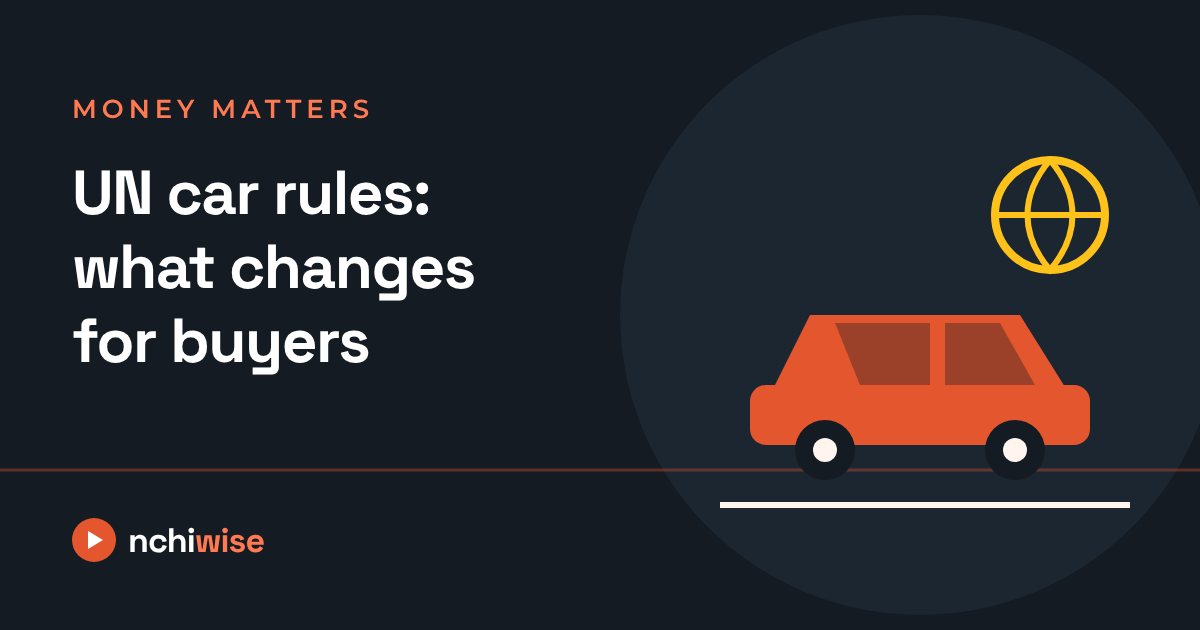
On 3 November 2026, the Ministry of Roads and Transport published a notice asking Kenyans for their views on joining WP.29, the UN's World Forum for Harmonisation of Vehicle Regulations. It sets international rules on how vehicles are designed, built, tested and inspected.
Kenya's car market in numbers (2025)
| Measure | Figure |
|---|---|
| Value of vehicles imported | KSh131.6 billion |
| Spare parts and accessories imported | About KSh18.4 billion |
| Vehicles assembled in Kenya | 13,692 |
| How busy local assembly plants are | About 30% of capacity |
What could change
- Imported cars: closer checks on safety, emissions, construction and roadworthiness, including "type approval", where a model is certified as meeting the standards.
- Inspections: regular vehicle inspections, and recognition of inspection certificates from other countries that follow the same rules.
- Local assemblers and parts makers: production, testing and quality control would have to meet UN standards, which could help Kenyan-made vehicles and parts sell abroad.
Why the government wants it
- Road safety: safer cars mean fewer deaths and injuries.
- Cleaner air: emissions rules cut pollution and improve fuel efficiency.
- Jobs and investment: common standards could attract carmakers and grow local assembly.
What it does not say yet: there is no implementation date, and the notice does not mention changing the age limit on imported used cars. Kenya would also need stronger testing and enforcement systems first. Costs to buyers will depend on the details.
Have your say
The ministry is accepting written views until Monday 30 November 2026, through its website, by email or by hand at the State Department for Roads. In-person and online consultations are planned.
Related: fuel prices explained · Kenya's mega projects.
Prefer to watch? Nchiwise explains it on videoShort videos on how countries develop and scale.
Watch on YouTube