The Moyale crisis: why nearly 40,000 Ethiopians have fled into Kenya, and what it means
Clashes between communities and regional forces on the Ethiopian side of Moyale have pushed nearly 40,000 people into Kenya since late October. Stray bullets have even hit Kenyan schools during KCSE. Here is what is happening and what help is needed.
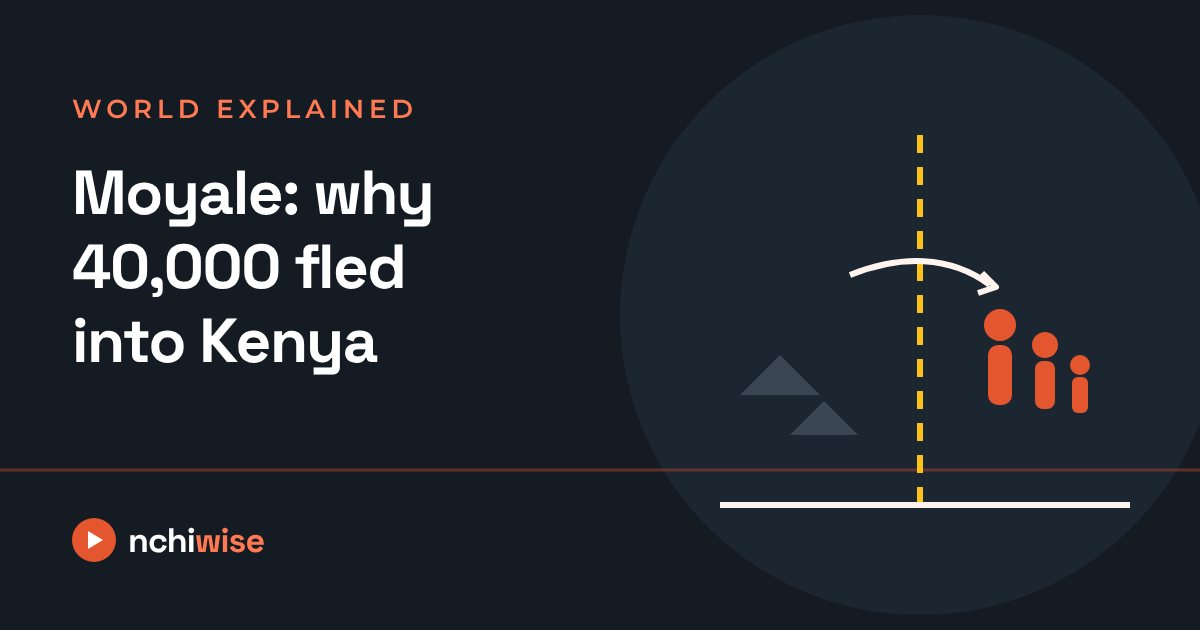
Moyale is a town split in two by the Kenya–Ethiopia border. Since late October 2026, fighting on the Ethiopian side has sent tens of thousands of people across into Moyale, Marsabit County.
What is happening
A dispute flares over a Somali Regional State flag and a new administrative office in an area that Oromia's authorities claim.
A 13-year-old girl is killed, sparking protests and business closures.
Heavy fighting breaks out between regional security forces and armed civilians linked to the Oromo Borana and Somali Garre communities, and spreads to several settlements.
The Kenya Red Cross counts more than 14,000 people crossing; the Kenya National Commission on Human Rights (KNCHR) later puts the figure at nearly 40,000.
Stray bullets hit two schools in Moyale town, Sessi Mixed and St Mary's Mixed, on the first day of KCSE papers. Students are moved to safety, and two exam centres are relocated.
The people who crossed
| Measure | Figure |
|---|---|
| Total in Moyale, Kenya | Nearly 40,000 (KNCHR) |
| In temporary shelters | More than 15,000, in eight sites including churches and schools |
| Staying with relatives and friends | More than 20,000 |
| Most urgent needs | Food, clean water, shelter, toilets and healthcare, including care for mothers giving birth |
No official death toll has been published.
Why it keeps happening
The Borana and Garre communities live on both sides of the border, and in Ethiopia they fall under two different regional states, Oromia and Somali, that dispute where the boundary between them lies. Land, water, pasture and administrative control are all at stake, and drought makes competition worse. A similar flare-up in 2012 sent more than 20,000 people into Kenya.
What Kenya must do, and what is being asked
- Protect everyone on Kenyan soil. The KNCHR says Kenya's constitutional protections apply regardless of nationality, and that people must not be sent back to danger (the principle of non-refoulement).
- Support the host community. Moyale's own residents are sharing scarce water, food and schools.
- Diplomacy. Marsabit's MPs have asked President Ruto to engage Ethiopia's government to end the violence.
- Keep exams safe. The Education Ministry has relocated centres; candidates in border areas need security until KCSE ends.
Why it matters beyond Moyale
- Trade: Moyale is a key crossing on the road linking Kenya and Ethiopia, and border trade has been disrupted.
- Security: unrest along a long, remote border is a concern for the KDF and police.
- Health: crowded shelters with poor sanitation raise the risk of disease, during an already busy rainy season.