The US strikes Iran's Qeshm Island on the eve of the midterms: what happened, and what it means for Kenya
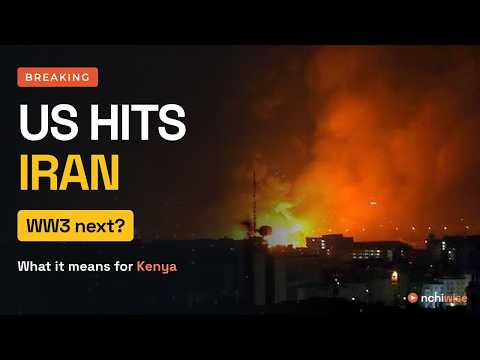
US forces carried out what officials called limited, defensive strikes on Qeshm Island in the Strait of Hormuz on Monday, after Iran's Revolutionary Guard reportedly fired on a US aircraft. Talks to end the war continue. Here is what we know, and why it matters for fuel prices in Kenya.
Latest updates to this explainer
- Watch: our 90-second video explainer on the Qeshm strikes.
On Monday 2 November 2026, the day before the US midterm elections, US forces struck Qeshm Island, Iran's largest island, which sits in the Strait of Hormuz. Iranian state media reported several explosions on the island.
What we know
| Question | What has been reported |
|---|---|
| What happened | US strikes on Qeshm Island, first reported by the Wall Street Journal and confirmed to CBS and others by US officials |
| Why, according to the US | Officials called them limited and defensive, a response to Iran's Revolutionary Guard (IRGC) firing on a US aircraft and striking US assets |
| Scale | Smaller than the main US campaign earlier this year, and reportedly kept quiet so as not to signal a return to full-scale war |
| Casualties | Not reported |
| Official comment | US Central Command had not commented publicly when first reports came out |
What the two sides are saying
- President Trump said he is in "no rush" to escalate: "One way or the other, we will do something, but there is no rush." Asked whether big strikes would resume after the midterms, he said "no". He also said the US "might need to go after Pickaxe", a site linked to Iran's nuclear programme.
- Iran's Foreign Minister Abbas Araghchi said "very intensive" talks through mediators are under way, and that Iran is ready for both diplomacy and military confrontation. Iran has proposed a two-day plan: US steps on day one, and the Strait of Hormuz reopening on day two.
Why Qeshm matters
Qeshm sits at the narrowest part of the Strait of Hormuz, the channel through which a large share of the world's oil and gas normally passes. Anything that happens there moves oil prices.
What it means for Kenya
- Fuel prices. Brent crude rose about 0.5% to around US$105 a barrel in early trade on Tuesday after the reports. Kenya imports all its refined fuel, so higher oil prices feed into the next pump-price review on 14 November. See fuel prices explained.
- Kenyans in the Gulf. Hundreds of thousands of Kenyans work in the region. Flights and safety depend on whether the fighting widens. See Kenyans in the Gulf.
- Shipping costs. Disruption in Hormuz raises freight and insurance costs, which reach Kenyan shoppers through imported goods.
Is this World War III? No. These were limited strikes, and both sides say they are still talking. The risk is escalation. Read our full explainer: Is World War III really happening?
Watch the video