Ruto wants Kenyan factories to make shoes for 14 million pupils: what it means for the leather industry
President Ruto has told local footwear makers to produce leather shoes for all 14 million school-going children, part of a 'buy Kenyan' push after police and military boots went local. Here is the plan, the industry's numbers and the open questions.

On 4 November 2026, at a summit at KICC, President William Ruto told Kenyan footwear makers: "We want you to manufacture all the shoes for our school-going children, and we have 14 million of them."
The bigger push
- In June, the President ordered security agencies to buy Kenyan-made boots; by October he said police and military boots were fully local, and banned their import.
- The government has invested about KSh5.8 billion in the Kenya Leather Industrial Park at Kenani, Machakos.
- He wants manufacturing spread to counties, not concentrated in Nairobi.
Kenya's leather numbers
| Measure | Figure |
|---|---|
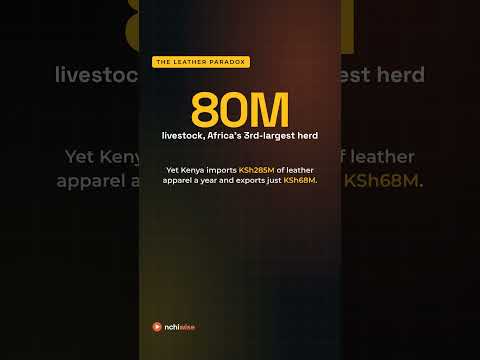
| Livestock | About 80 million animals, Africa's third-largest herd |
| Leather apparel exports | About KSh68 million a year |
| Leather apparel imports | About KSh285 million a year |
Kenya has the raw material, but much of its hides and skins leave unprocessed, while finished leather goods are imported.
The open questions
- Who pays? Parents buy school shoes today; it is not yet clear whether the plan is a supply deal, a subsidy or a guidance to schools.
- Price and quality. Local shoes must compete with cheap imports on cost.
- Capacity. Making millions of pairs needs more factories, machines and skilled workers.
What to watch: details on cost, timelines and how schools would buy. No start date has been announced.
Related: youth jobs · UN car standards and local assembly.
Watch the video